
- Mail: neuroclinic4u@gmail.com
- Emergency Help: +91 6364 249 996
Pain Surgery
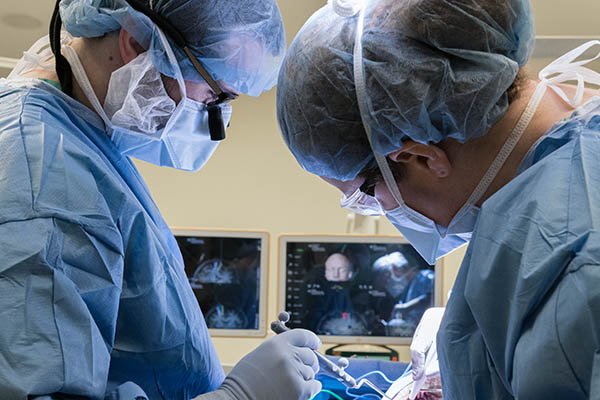
Surgery is rarely used in chronic pain cases. If it is used, it's generally the last resort. However, if you have serious neurological complications (such as bowel or bladder dysfunction), along with chronic pain, you may need immediate surgery.
But if non-surgical treatments don't work and if you have an identifiable cause of your chronic pain that can be addressed via surgery, your doctor may recommend surgery. The precise procedure is dependent on the cause of your pain, and the surgeon will make the best recommendation.
For example, if you have a herniated disc pressing on your sciatic nerve and causing chronic sciatica, the surgeon may do a discectomy, where he or she removes part of the disc in order to take pressure off the nerve. Before agreeing to surgery, it's a good idea to get a second opinion from another surgeon. You should also ask as many questions as you need so that you understand the risks, benefits, recovery process, and general procedure. The final decision to have surgery rests with you, so make sure you understand all your options.
Symptoms of Chronic Pain
Chronic pain is pain that persists more than 6 months. Pain is a very subjective experience, though, so we can't say something as categorical as "All chronic pain patients will feel this way."
-
It is possible to say that chronic pain takes on many forms. It can be:
- throbbing
- aching
- shooting
- electric
- burning
- sharp
- feeling stiff
- feeling tight
- feeling sore
-
Chronic pain can lead to other problems, especially social and emotional ones. Chronic pain may:
- lead to sleeplessness
- drain you of energy
- lead to depression
- make you not want to do activities you typically enjoy
- weaken your immune system because so much of your body's energy is spent dealing with the pain
A lot of these other problems build off each other, so you may hear the phrase "vicious cycle" when talking about chronic pain. For example: The pain makes it difficult to sleep at night, so you're excessively tired the next day. You don't want to go to work—or do anything else—because you're so tired. Because you aren't as active, you lose self-esteem and start to withdraw even more from your social life.