- Mail: neuroclinic4u@gmail.com
- Emergency Help: +91 6364 249 996
Epilepsy In Adults
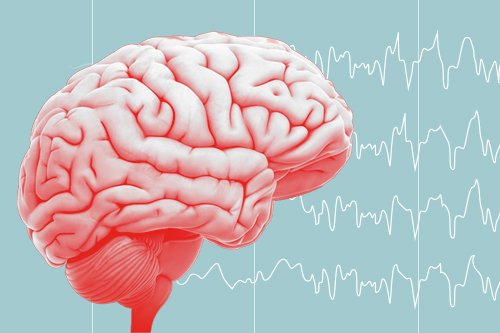
Surgery for Epilepsy Control: Time to Overcome Reluctance About a Safe Treatment Option
Patients who fail two or more antiepileptic medications should be referred for evaluation.
For patients with epilepsy who are unable to bring their seizures under control with adequate trials of two antiepileptic medications, data show that the likelihood of attaining freedom from seizures using medications is less than 5 percent. This is the case despite the availability of more than 30 widely approved antiepileptic medications.
Fortunately, other options are available for patients with difficult-to-control seizures. One of these options is epilepsy surgery.
Surgery has been successfully used to treat epilepsy for more than 60 years and is recommended for highly selected patients by every professional epilepsy society worldwide. Despite this track record, the idea of treating epilepsy with brain surgery still makes patients — and even many healthcare professionals — uneasy. This is unfortunate, because despite misperceptions, the risks of epilepsy surgery are low and the potential gains are usually life changing.
Uncontrolled epilepsy poses more risk than surgery
The epilepsy surgery results in long-term seizure freedom for about 60 percent of patients who undergo it though it varies widely depending on the cause and the type of surgery done. Moreover, the published data show that many patients who do not achieve complete seizure freedom after surgery still report quality-of-life gains that are clinically meaningful due to reduced the seizure frequency. Because of sophisticated imaging and new surgical technologies and techniques, the risk of surgery is very low. In contrast, the risks of lifelong uncontrolled epilepsy are well known and high. Accidents during seizures sometimes cause fractures, burns, bleeding and miscarriages. Additionally, people with uncontrolled epilepsy have 15 times the risk of sudden unexplained death (SUDEP) compared with the general population, and their risk is also much higher than that of people with controlled epilepsy.
Uncontrolled epilepsy also can take a significant psychological toll, as it is associated with a high prevalence of depression and anxiety as well as elevated suicide rates. Psychological effects are typically exacerbated by a lack of independence, as uncontrolled seizures prevent patients from driving and often from working. Many patients also see their personal relationships become strained as they become highly dependent on others for close monitoring to prevent injury.
In short, uncontrolled epilepsy can relegate a person to a life sentence of high medical expenses, increased health risks, significant lifestyle limitations and shorter lifespan.
Epilepsy by the numbers
Uncontrolled epilepsy continues to be a major problem in India and worldwide. What’s especially unfortunate is that our capacity to address it with surgery is vastly underutilized. A few numbers tell the story:
Careful selection of candidates is crucial
A high surgical success rate depends on careful patient selection by a team of epileptologists and neurosurgeons. All potential surgery candidates are admitted to a dedicated epilepsy monitoring unit for inpatient evaluation. Medications are reduced or stopped, and the patient is allowed to have seizures while undergoing continuous EEG and video monitoring to confirm and refine the diagnosis. We also obtain a high-resolution brain MRI (3T) to assist in localization of a potentially operable epileptogenic focus. Other tests that may be used include PET scan, magnetoencephalography (MEG), functional MRI and invasive evaluation with stereoelectroencephalography (SEEG).
Unfortunately, not all patients are determined to be good candidates for surgery. It is surprising how many patients we encounter who have been treated for years but who actually have psychogenic nonepileptic seizures and thus should be treated with cognitive behavioural therapy (CBT) and medications for depression and anxiety as needed.
What are the common causes for the drug resistant epilepsy?
When resection is not an optionOther patients are deemed too risky for surgical resection, often because the epileptogenic focus is located near critical areas of the brain (such as speech, motor, sensory and visual regions).
For such patients, three major options are available, all involving
Each of these methods reduces seizures in about half of patients and leads to freedom from seizures in approximately 10 percent. There are no definitive guidelines for choosing among these neuromodulatory options, but two broad principles can be useful:
Beyond these neuromodulatory options, the past decade has seen the emergence of methods of ablating tissue in epileptogenic brain regions without need for craniotomy. The more established option is thermo ablation performed under neuronavigation guidance, which is useful for patients with small, focal lesions deep in the brain. Additionally, high-intensity focused ultrasound (not available in India) — a completely noninvasive modality — is currently being investigated for use in selected cases of refractory epilepsy.
Bottom lineIn summary, all clinicians who treat patients with epilepsy follow two simple management rules advocated by the International League Against Epilepsy: