- Mail: neuroclinic4u@gmail.com
- Emergency Help: +91 6364 249 996
Brain Tumor Surgery
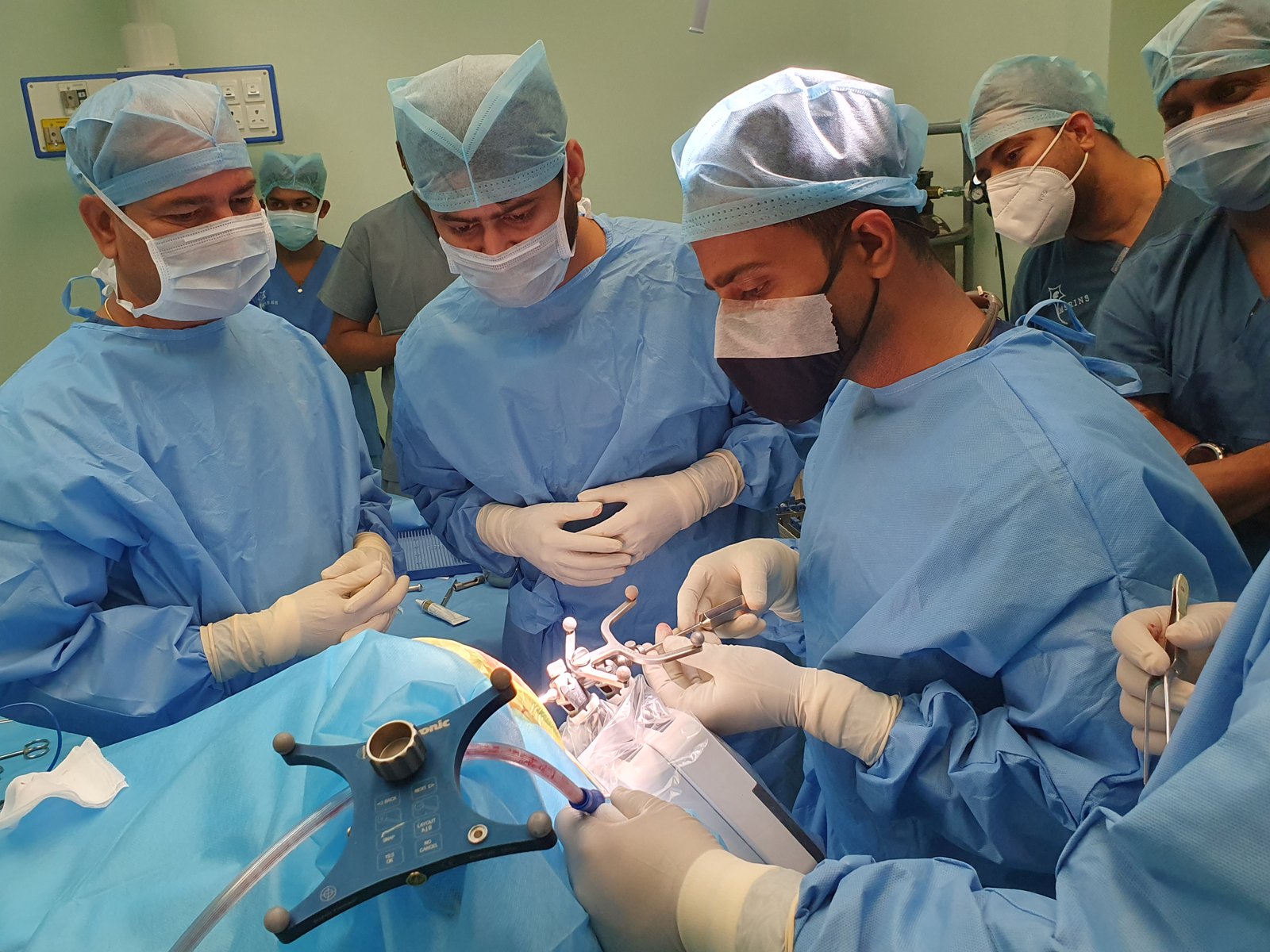
Surgery is the first and most common treatment for most people with brain tumors. For some tumors, surgical removal and continued monitoring may be the only treatment needed. The goals of the surgery could include:
- Complete removal (resection) of the brain tumor
- Partial removal of tumors near sensitive areas of the brain to relieve symptoms and facilitate or increase the effectiveness of other treatments. Less pressure within the skull can mean reduced symptoms and improved ability to function (for example, to think, speak or see better).
- A biopsy — a surgical procedure to remove a small sample of a brain tumor for examination under a microscope — is usually performed during surgery to remove the tumor. A biopsy can be performed as a separate procedure if the tumor can’t be removed without damaging critical parts of the brain or if the patient is otherwise not a candidate for surgery. A biopsy enables doctors to confirm the diagnosis (including tumor type, malignancy and grade) and recommend the most appropriate treatment. If doctors cannot perform a biopsy, they will diagnose the brain tumor and plan the treatment based on other test results. It may take a week or longer after the biopsy to find out the name and type of your brain tumor.
The challenge of brain tumor surgery is removing as much of the tumor as possible without severely damaging normal brain tissue, which demands skill and experience, as well as advanced technology and a well-orchestrated team.
Types of Brain Tumor Surgery
Craniotomy
The most common type of surgery to remove a brain tumor is a craniotomy. This procedure involves making an incision in the scalp and removing a piece of bone from the skull to give the neurosurgeon access to the tumor. Carefully planned surgical procedures can help the neurosurgeon address challenging skull base tumors.
MRI-Guided Laser Ablation
MRI-guided laser ablation is a minimally invasive neurosurgical technique for a number of diseases, including brain tumors. The treatment uses lasers to target and destroy the tumor. The procedure can help surgeons address the most serious brain tumors, including glioblastoma multiforme and brain tumors that are located close to sensitive structures in the brain, making them hard to access through traditional open surgery. MRI-guided laser ablation can offer reduced pain after surgery and shorter recovery time compared with craniotomy.