- Mail: neuroclinic4u@gmail.com
- Emergency Help: +91 6364 249 996
Psychiatric Neurosurgery
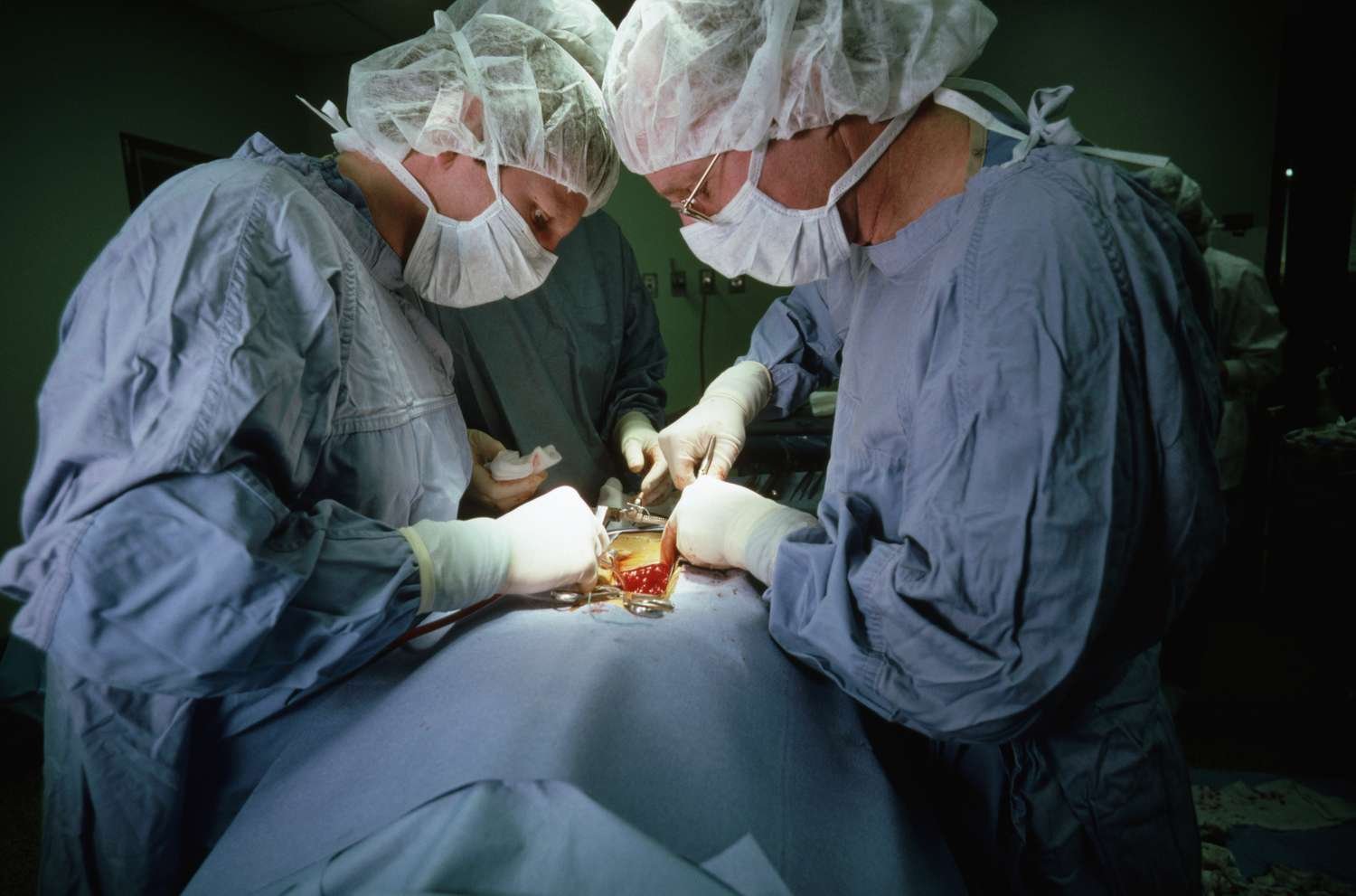
The goal of psychiatric neurosurgery is to address a severe psychiatric condition that has resisted all other forms of treatment. Psychiatric neurosurgery is also called “limbic system surgery" because it targets a complex network of structures that scientists call the limbic system. Sometimes called "the feeling and reacting brain," the limbic system helps the brain respond to emotion, regulate motivation and reinforcement, and form new memories. Problems in the limbic system have been implicated in conditions like obsessive-compulsive disorder, clinical depression, anxiety, certain aspects of chronic pain, and more.
How should I prepare for Psychiatric Neurosurgery?
Psychiatric neurosurgery consists of creating a precisely targeted lesion within the dysfunctional neural circuit. The lesions are created with incredible precision using sophisticated computers, image guidance technology, and microelectrode recording techniques.
Capsulotomy: This procedure is performed using a system of highly focused radiation known as Gamma Knife. Using a high-resolution MRI scan, we precisely target the desired region within the anterior internal capsule. During the actual treatment, beams of radiation energy are precisely focused on this chosen target from multiple directions. Each individual beam of radiation has little effect on the tissue it passes through. The beams all converge with incredible precision on the target area of the anterior internal capsule, where their additive effect is great. The patient is comfortably lying down during the treatment and does not feel anything while it occurs. This therapy does not involve any traditional surgical incisions and is performed on an outpatient basis.
Cingulotomy: This is a minimally invasive procedure performed using a precisely controlled laser. In the operating room, we use a specialized robotic system to place a laser fiber in the exact desired brain region. The ablation is then performed using precise, real-time MRI guidance. This technique allows us to accurately contro1 the placement and size of the lesion.